Being Patriotic Through Heritage & Historical Landmarks
Discover meaningful ways every Ghanaian can contribute to preserving our nation's rich cultural heritage and honoring our historical landmarks.
What Is Civic Duty?
Civic duty is the moral obligation and responsibility that every citizen has to contribute to the welfare and advancement of their nation. In Ghana, civic duty extends beyond voting and paying taxes—it includes the responsibility to preserve, protect, and promote our national heritage. Every citizen plays a vital role in keeping our history alive for future generations.
True civic duty means active participation in community life, respect for national symbols, and dedication to preserving the cultural legacy that defines us as Ghanaians.
Patriotism Through Heritage Preservation
Our heritage is the foundation of our national identity. Every Ghanaian can contribute to preserving these treasures in meaningful ways.
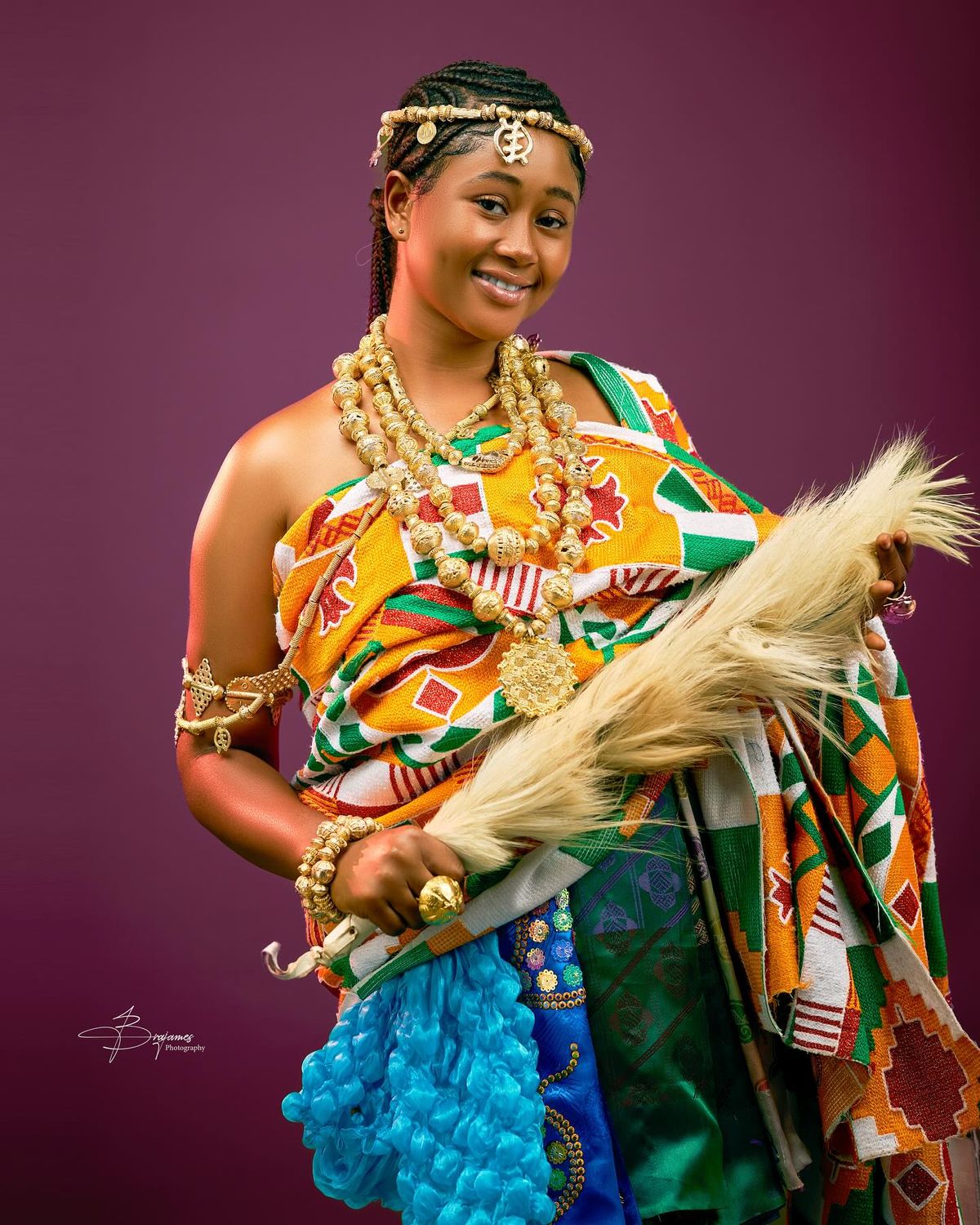
Wear Traditional Attire
Sport Kente, Smock (Fugu), and other traditional fabrics during national celebrations, weddings, and cultural events. This simple act shows pride in our textile heritage and supports local weavers and artisans.
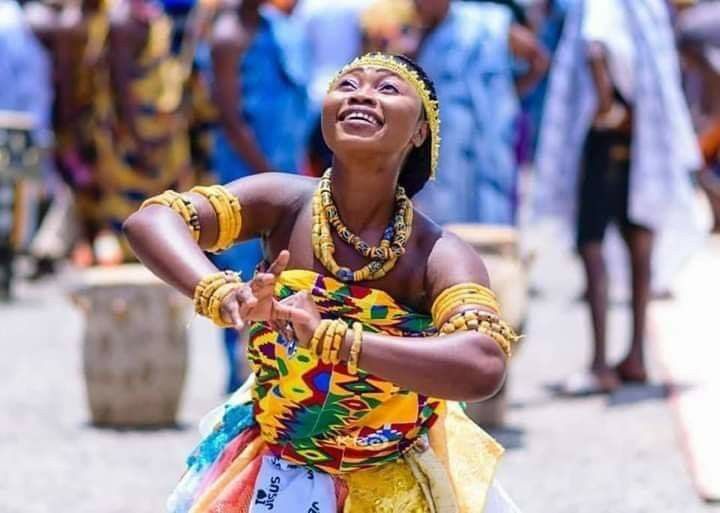
Learn Traditional Arts
Master traditional drumming, dancing, pottery, bead-making, and other crafts. These skills are passed from generation to generation and form the backbone of our cultural identity.
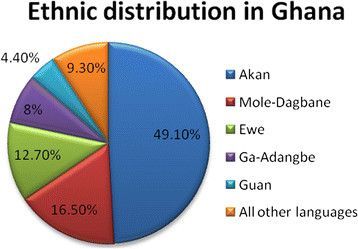
Speak & Teach Our Languages
Ghana has over 80 languages. Speaking, learning, and teaching our native languages—including Twi, Ga, Ewe, Dagbani, and others—is a powerful act of patriotism that preserves our linguistic heritage.
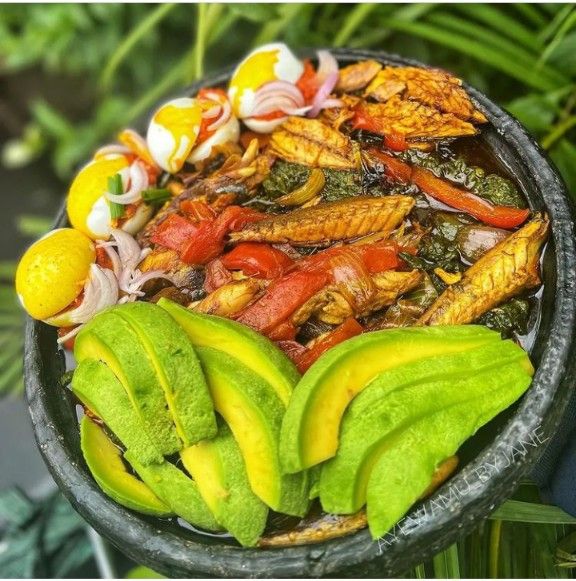
Prepare & Share Traditional Food
Our cuisine—banku, fufu, kenkey, tz, waakye, kelewele—connects us to our ancestors. Cooking and sharing traditional dishes keeps our culinary heritage alive.
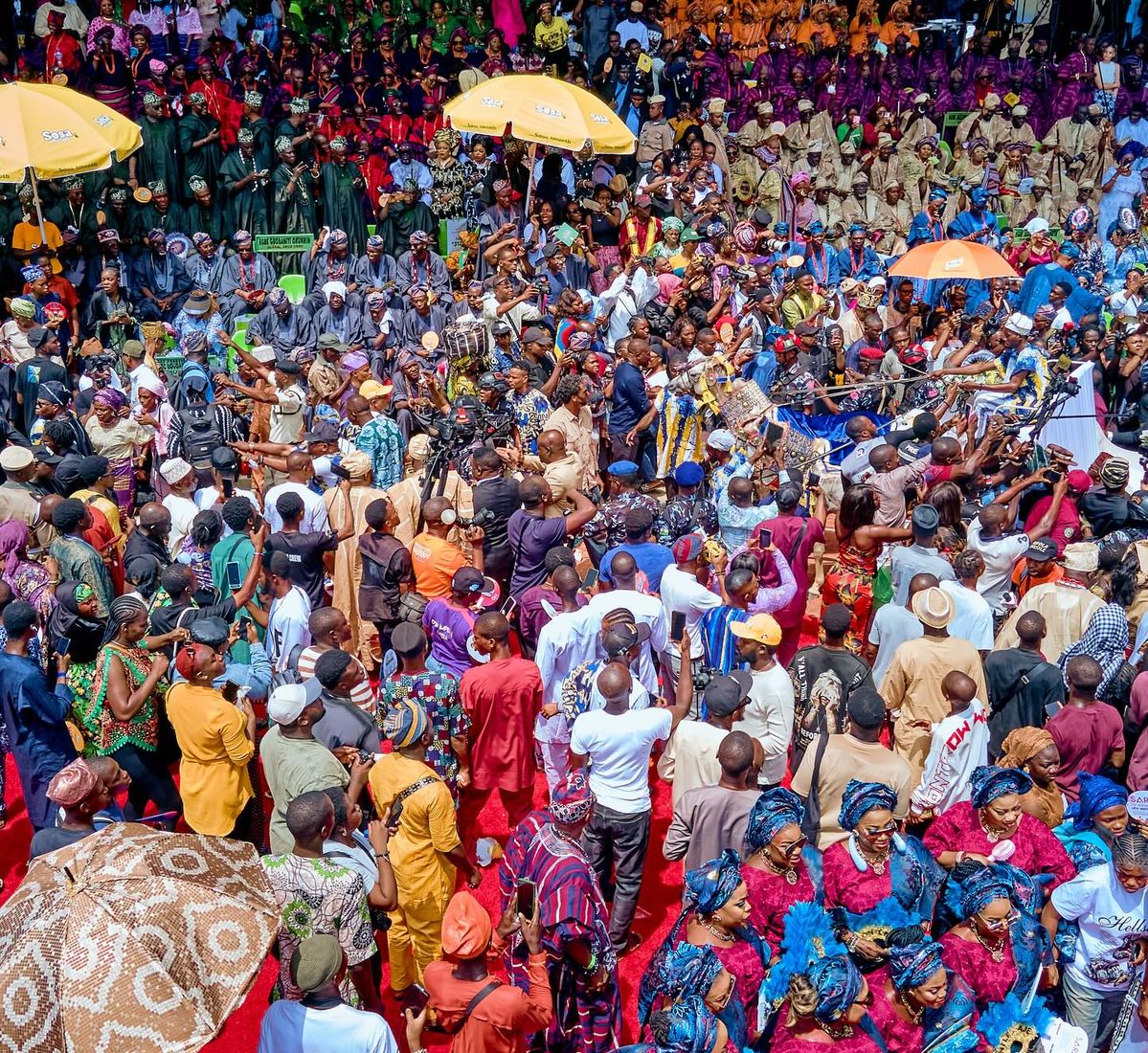
Participate in Festivals
Attend and actively participate in traditional festivals like Homowo, Aboakyir, Akwasidae, Odwira, and annual cocoa festivals. These celebrations honor our ancestors and strengthen community bonds.

Support Cultural Organizations
Join or support organizations dedicated to heritage preservation, such as the Ghana Heritage Conservation Trust, traditional authority councils, and cultural dance troupes.
Patriotism Through Historical Landmarks
Our castles, forts, monuments, and sacred sites tell the story of Ghana—from ancient kingdoms through colonial struggle to independence. Visiting and protecting these sites is every citizen's duty.
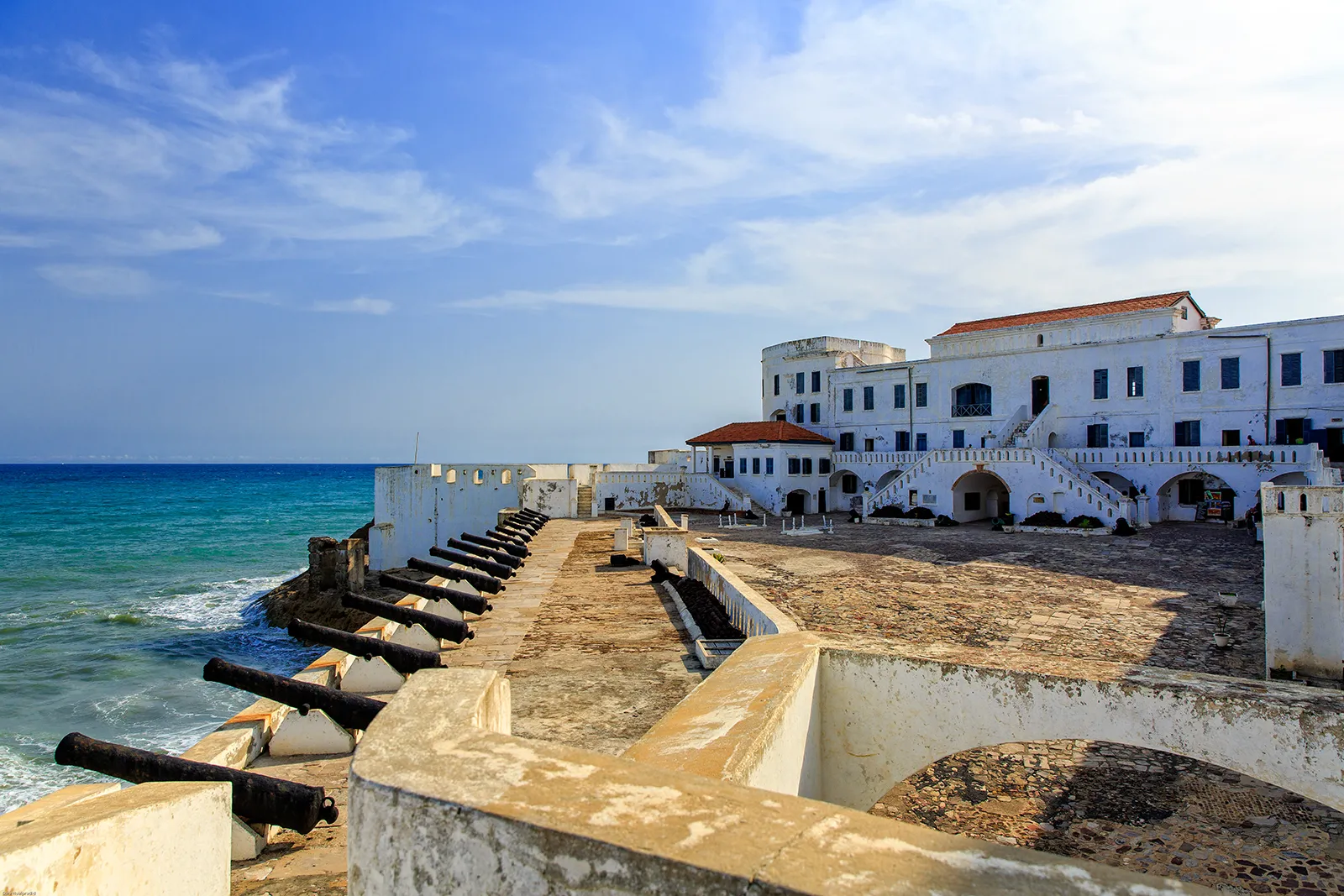
Visit Historic Castles
Plan visits to Elmina Castle, Cape Coast Castle, and other forts along the coast. These UNESCO World Heritage Sites are powerful reminders of our history and resilience.
How to Participate:
- Plan family trips to historic sites during holidays
- Take guided tours to learn the full history
- Bring children to understand our past
- Photograph and document your visits
- Respect site rules and maintain cleanliness
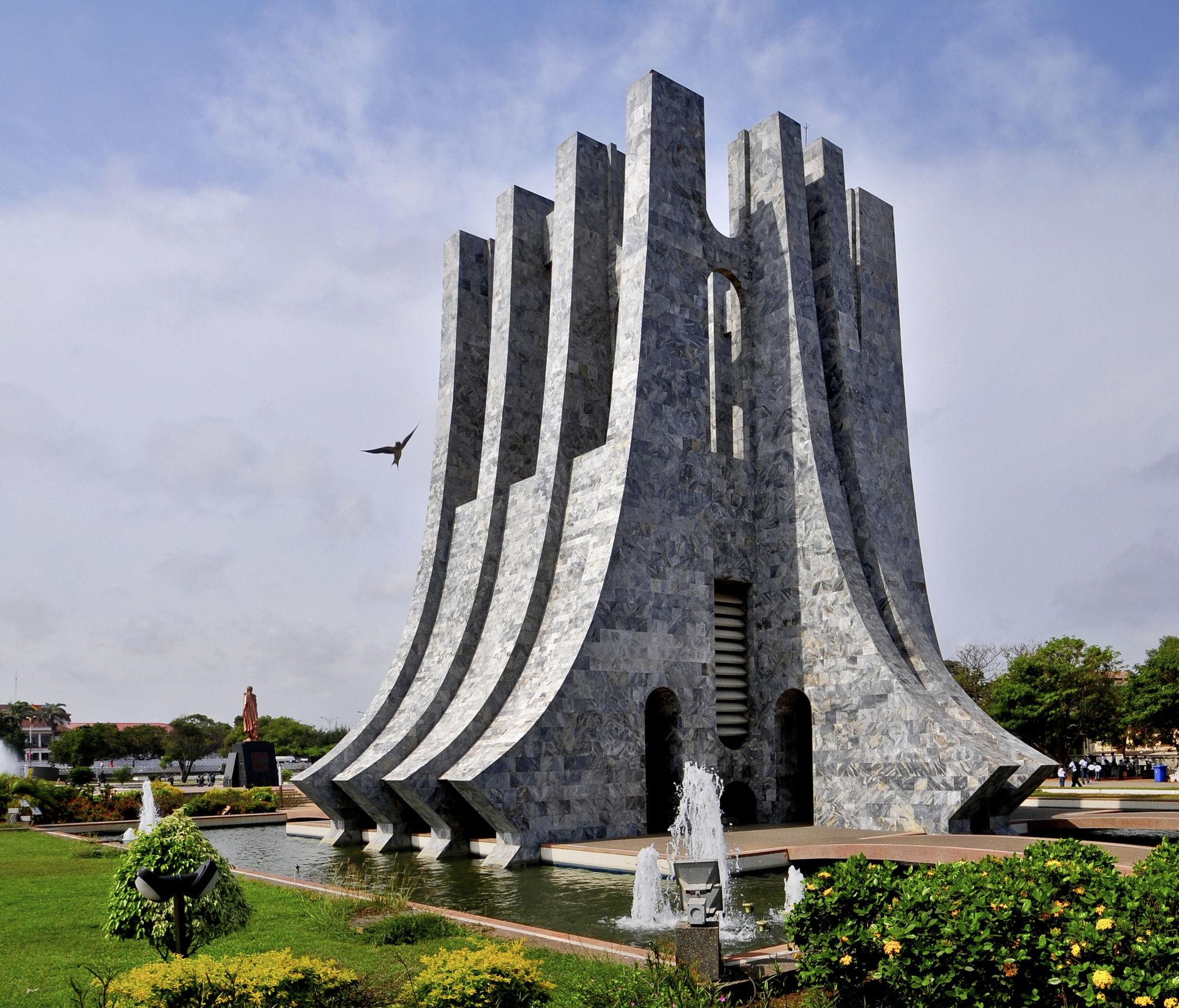
Honor National Heroes
Visit the Kwame Nkrumah Mausoleum, Independence Arch, and other monuments dedicated to Ghana's independence heroes. These sites inspire patriotic feelings and remind us of the sacrifices made for our freedom.
How to Participate:
- Visit during Independence Day celebrations
- Learn about Nkrumah and other leaders
- Take oaths of citizenship at monuments
- Share their stories with younger generations
- Volunteer at memorial events
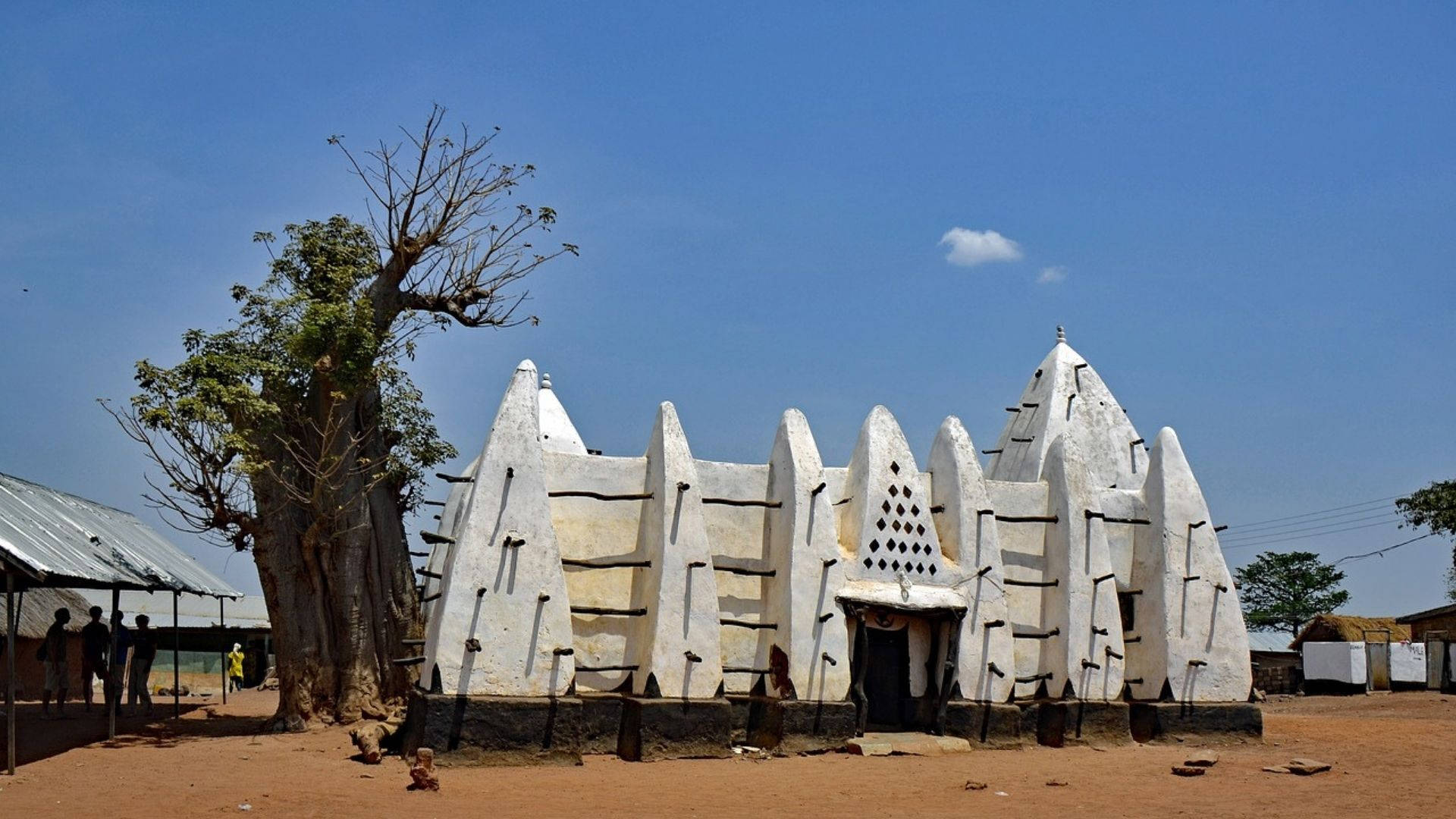
Respect Traditional Sites
Many shrines, royal palaces, and sacred groves hold cultural and spiritual significance. The Manhyia Palace in Kumasi, Larabanga Mosque, and countless village shrines are part of our living heritage.
How to Participate:
- Visit traditional palaces and museums
- Respect local customs and protocols
- Learn about palace history and traditions
- Support palace restoration efforts
- Document visits for family records
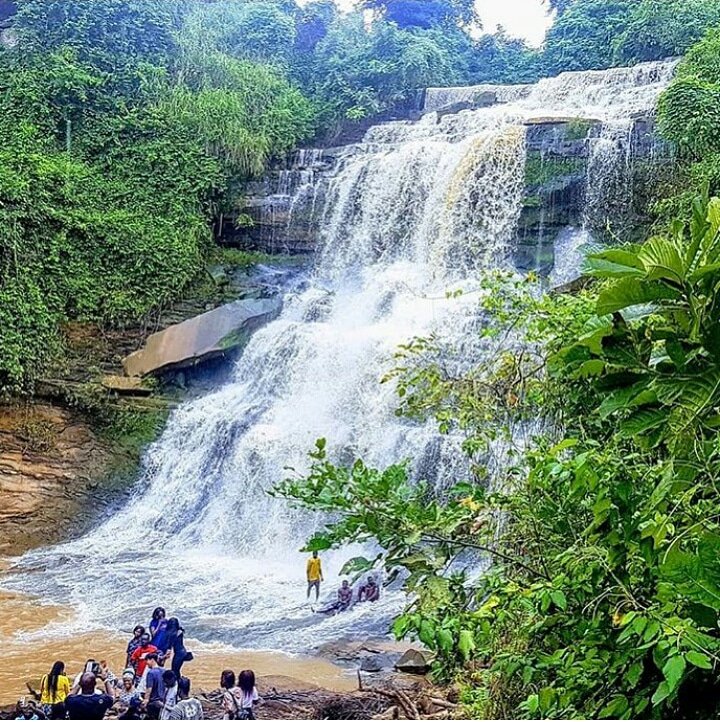
Explore Natural Landmarks
Ghana's natural landmarks—Kakum Canopy Walkway, Wli Waterfalls, Mole National Park, Kintampo Falls—are part of our national heritage worth protecting and visiting responsibly.
How to Participate:
- Visit Ghana's national parks and reserves
- Follow conservation guidelines
- Support eco-tourism initiatives
- Participate in tree-planting activities
- Advocate for environmental protection
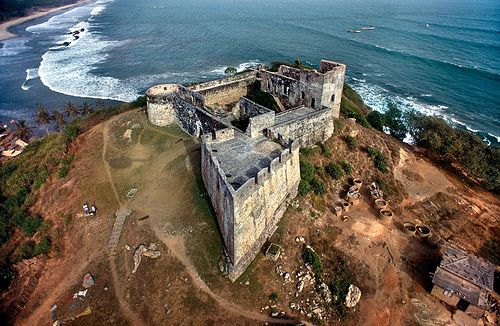
Explore Colonial Forts
Beyond the famous castles, Ghana has over 30 forts including Fort Amsterdam, Fort Frederiksborg, and Fort Princesburg. Each tells a unique story of our colonial history.
How to Participate:
- Visit lesser-known forts in theCentral Region
- Learn about Dutch and Danish colonial presence
- Support local preservation efforts
- Document the condition of historical sites
- Advocate for UNESCO funding
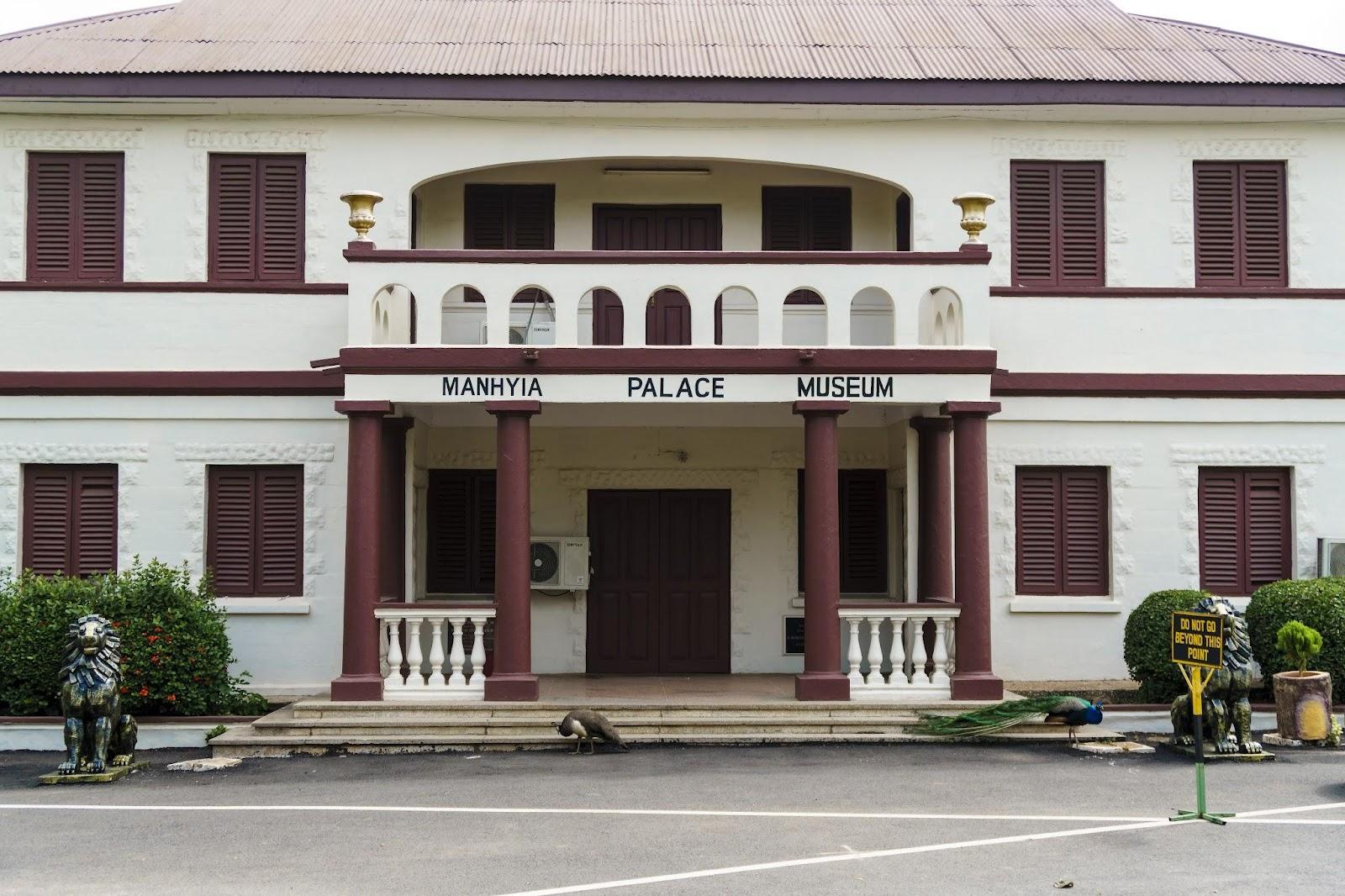
Visit Royal Palaces
The Manhyia Palace in Kumasi, Asante traditional buildings, and chief palaces preserve our royal heritage. These living monuments showcase Ashanti architecture and traditions.
How to Participate:
- Attend durbars and traditional ceremonies
- Learn about Asantehene and royal protocols
- Visit the Kumasi Cultural Centre
- Support palace museum projects
- Respect traditional dress codes
How You Can Get Involved
Beyond visiting landmarks, there are many concrete ways to demonstrate patriotism through heritage preservation.
Youth Leading the Way
Young Ghanaians are taking the lead in heritage preservation through innovation, social media, and community action.
Digital Preservation
Young Ghanaians are using social media to document and share traditional practices, reaching millions with cultural content.
Eco-Patriotism
Youth-led environmental movements are protecting natural landmarks and promoting sustainable tourism.
Modern Heritage
Young designers are blending traditional Adinkra and Kente patterns with modern fashion, keeping heritage relevant.
Did You Know?
UNESCO Sites
Ghana's forts and castles have been UNESCO World Heritage Sites since 1979, requiring our protection.
Panafest
The Pan-African Festival of Arts held at Elmina and Cape Coast castles brings global attention to our heritage.
Year of Return
2019's "Year of Return" saw thousands of diaspora Ghanaians visit historic sites, boosting preservation efforts.
Living Heritage
Kente weaving, Adinkra stamping, and many festivals are living traditions actively practiced today.
Ancient Kingdoms
Ghana was home to powerful ancient kingdoms including the Ashanti, Bono, Dagbon, and Gonja empires.
Gold Coast
Ghana earned the name "Gold Coast" from the vast gold reserves that attracted traders from Europe, Asia, and Arabia.