What Are Heritage Landmarks?
Heritage landmarks are historically significant sites—including castles, forts, monuments, sacred spaces, and natural landmarks—that represent a nation's cultural identity and historical journey. In Ghana, these include the iconic forts and castles along our coast, royal palaces, ancient mosques, and natural wonders. They serve as physical connections to our past, reminding current and future generations of our history, struggles, and triumphs.
These landmarks are more than tourist attractions—they are the embodiment of our collective memory as a people.
Heritage Landmarks & Patriotism
Our historic landmarks are symbols of Ghana's resilience, independence, and national pride. From the ancient Elmina Castle built in 1482 to the Kwame Nkrumah Mausoleum, these sites remind us of our journey from colonization to freedom. They unite Ghanaians in shared history and inspire patriotic devotion.
 1482
1482
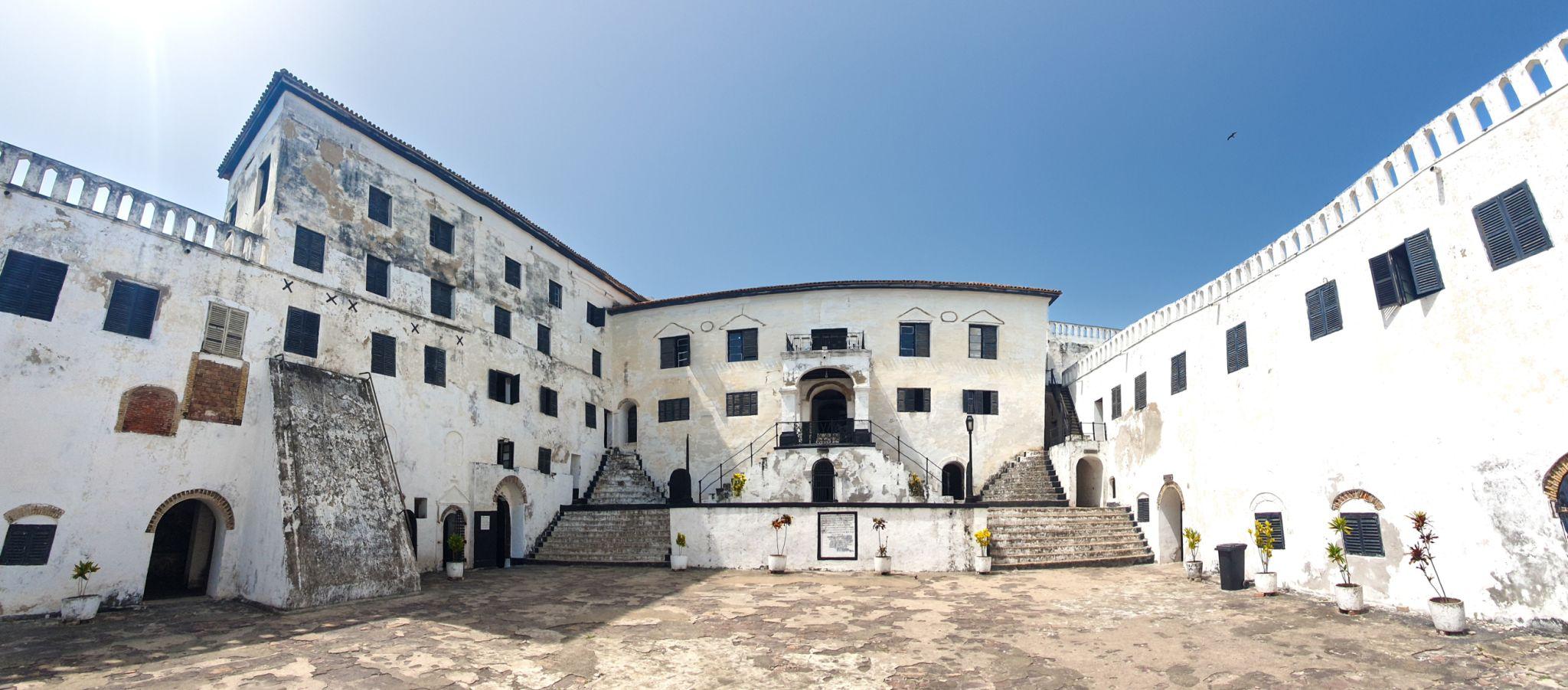
Elmina Castle
Built by the Portuguese in 1482, Elmina Castle is the oldest European building in Sub-Saharan Africa. Originally built to trade in gold and ivory, it later became a major center of the Atlantic slave trade. The Dutch captured it in 1637 and expanded the dungeons.
 1653
1653
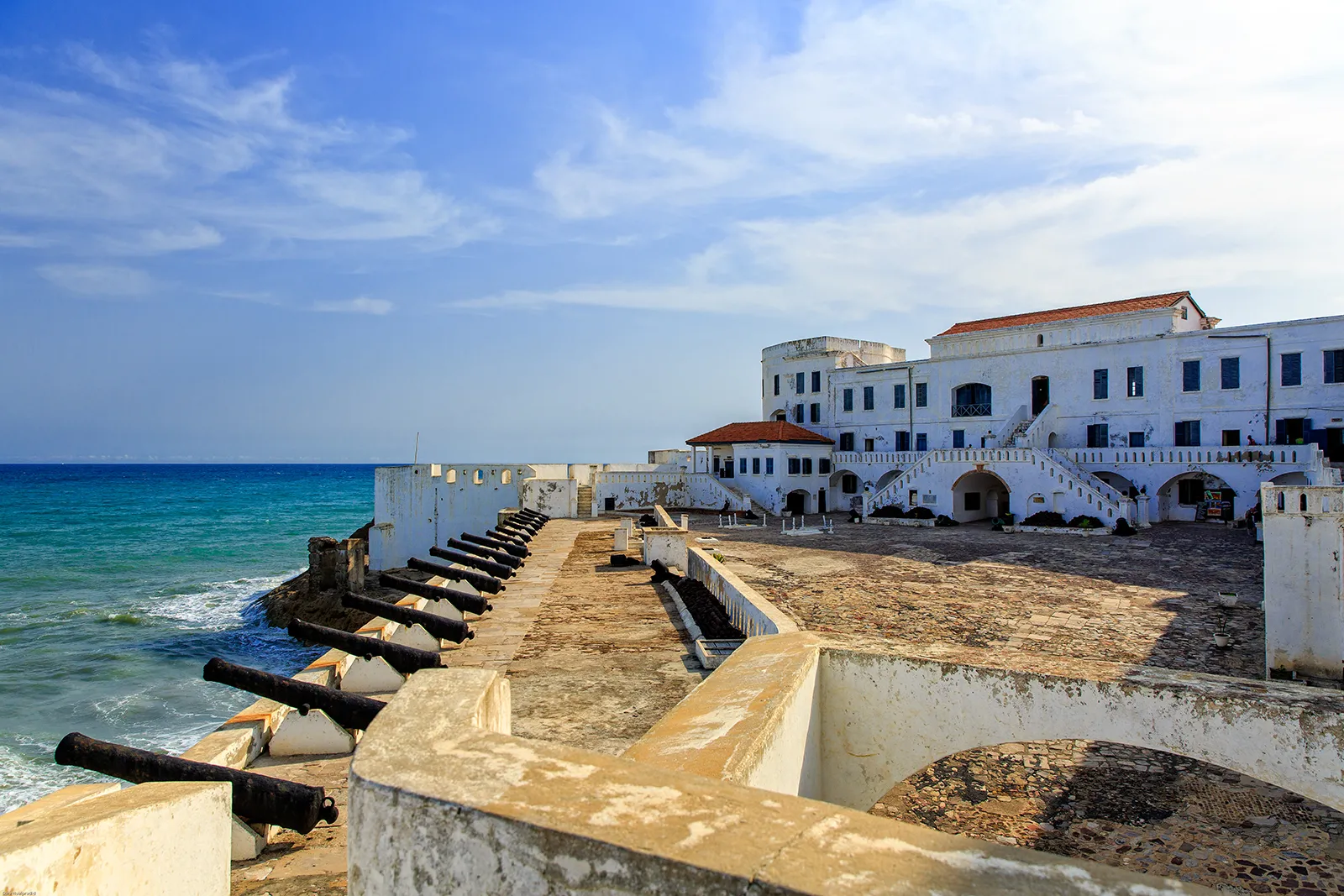
Cape Coast Castle
Originally a Portuguese trading post in 1555, developed by the Swedes in 1653 as Carolusborg. Later taken over by the British in 1664. Could hold up to 1,500 enslaved Africans in dungeons. Served as the seat of British administration until 1877.
 1661
1661
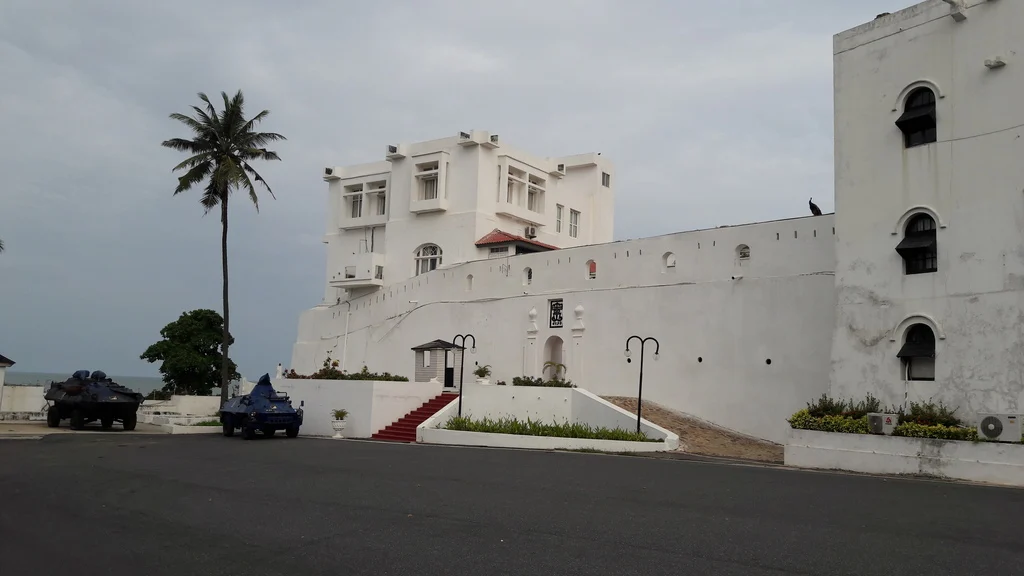
Osu Castle
Also known as Fort Christiansborg, built by Denmark-Norway in the 1660s. Changed hands between Portugal, Akwamu, and Britain. In 1902, it became the seat of government for the Gold Coast and continued as Ghana's seat of government after independence.
 1957
1957
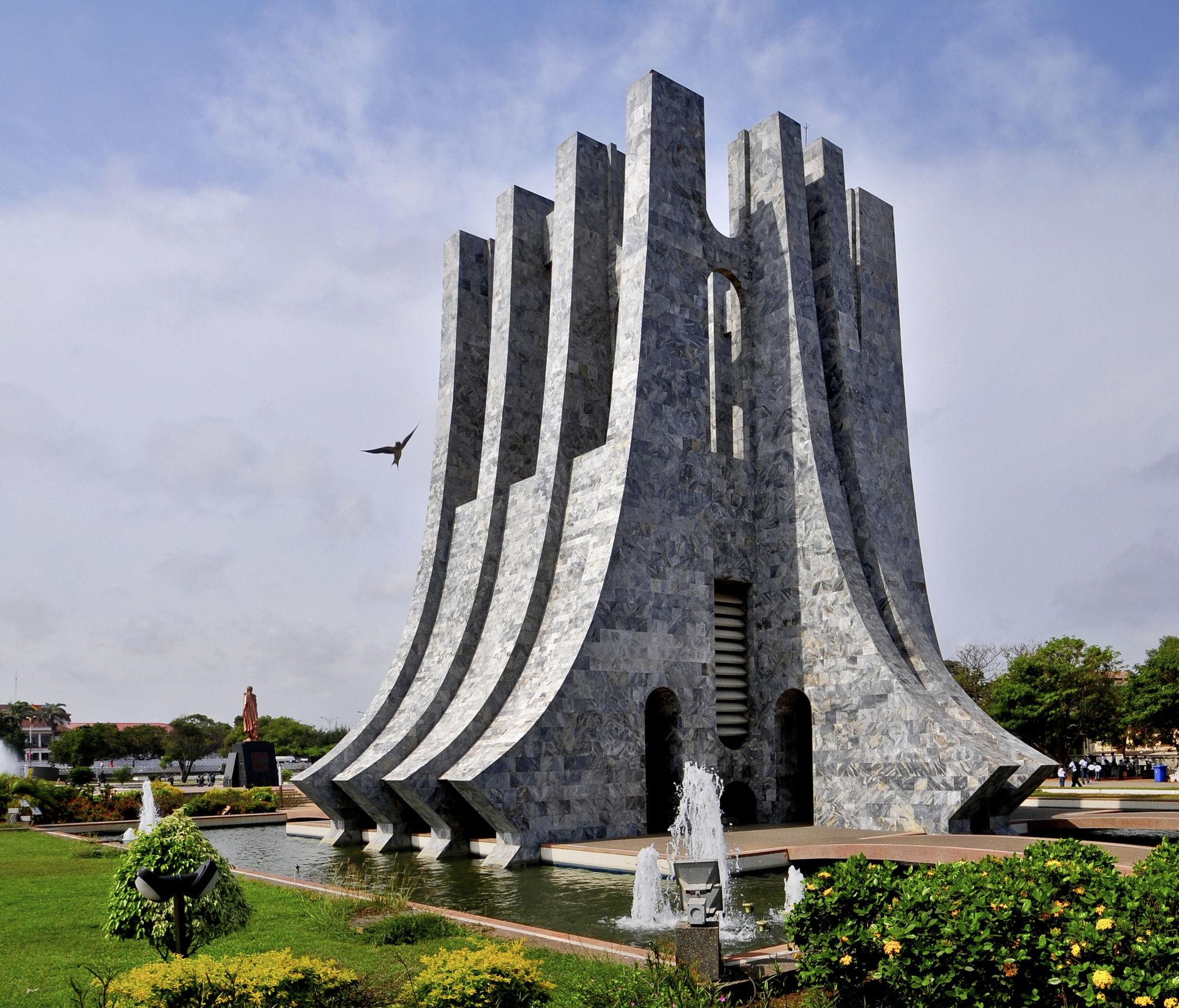
Kwame Nkrumah Mausoleum
The final resting place of Dr. Kwame Nkrumah, Ghana's first president and the leader who led the country to independence from British colonial rule in 1957 - the first African country to achieve independence. Built in 1992.
Other Notable Landmarks
Kakum National Park
Famous for its Canopy Walkway, this tropical rainforest showcases Ghana's natural heritage and commitment to conservation. One of Africa's famous rainforests.
Mole National Park
Ghana's largest wildlife park, home to elephants, antelopes, baboons, and over 90 mammal species. A symbol of our natural wealth.
Wli Waterfalls
West Africa's highest waterfall at 143 meters, located in the Volta Region near Mount Gemi. A patriotic reminder of Ghana's natural beauty.
Larabanga Mosque
Known as the "Moses' Mosque," built in 1421. One of the oldest mosques in Ghana and West Africa, famous for its Sudano-Sahelian architecture.
Manhyia Palace
The seat of the Ashanti Kingdom in Kumasi. Built in 1925, it preserves our royal traditions and cultural heritage. Home to the Asantehene.
Independence Arch
Located in Accra's Independence Square. Symbolizes Ghana's freedom and serves as a venue for national ceremonies and patriotic events.
Aburi Botanical Gardens
Established in 1890, located in the Eastern Region. Showcases Ghana's plant diversity and serves as an educational and recreational landmark.
Kintampo Waterfalls
Located in Bono East Region. One of Ghana's most beautiful waterfalls, formed on the River Pump. A popular tourist destination.
Historical Timeline
Elmina Castle Built
Portuguese build Elmina Castle, the first trading post on the Gulf of Guinea
Portuguese Trading Post
Portuguese establish trading post at Cape Coast called Cabo Corso
Cape Coast Castle
Swedes build Cape Coast Castle (Carolusborg)
Osu Castle Built
Denmark-Norway builds Osu Castle (Fort Christiansborg)
Independence
Ghana becomes the first African country to gain independence from British rule
UNESCO Recognition
Ghana's forts and castles inscribed on UNESCO World Heritage List
Did You Know?
Fascinating facts about Ghana's historic landmarks that every patriotic citizen should know.
First Independence
Ghana was the first African country to gain independence from colonial rule in 1957
UNESCO Sites
Ghana's forts and castles are UNESCO World Heritage Sites since 1979, including 30+ castles along the coast
Year of Return
2019 was designated the "Year of Return," encouraging the African diaspora to visit these historic sites
Door of Return
The "Door of No Return" at Elmina Castle now symbolizes the "Door of Return" welcoming diaspora home
First Education System
Cape Coast Castle was where the first formal education system in Ghana was established through Castle Schools
40+ Slave Castles
Ghana has approximately 40 slave castles along its coast, more than any other West African country